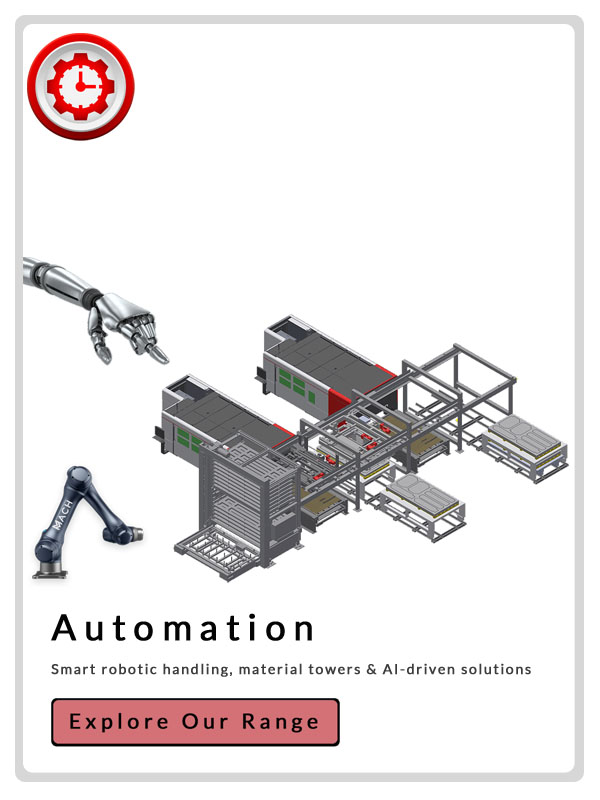
MACH | CNC AUTOMATION
AUTOMATION . INTEGRATION . PRODUCTIVITY
MACH CNC automation systems combine intelligent material handling, automated loading and unloading, industrial robotics and connected production technology to improve manufacturing efficiency. From sheet metal storage towers and automatic tube loading to robotic production cells and smart factory integration, our solutions support scalable, efficient manufacturing across the UK & Ireland.
AUTOMATED MATERIAL HANDLING
SHEET & TUBE AUTOMATION
INDUSTRIAL ROBOTICS
INCREASED MACHINE UTILISATION
SMART FACTORY INTEGRATION
SCALABLE PRODUCTION
From standalone loading systems to fully integrated manufacturing cells, modular automation can be configured around current requirements and future growth.
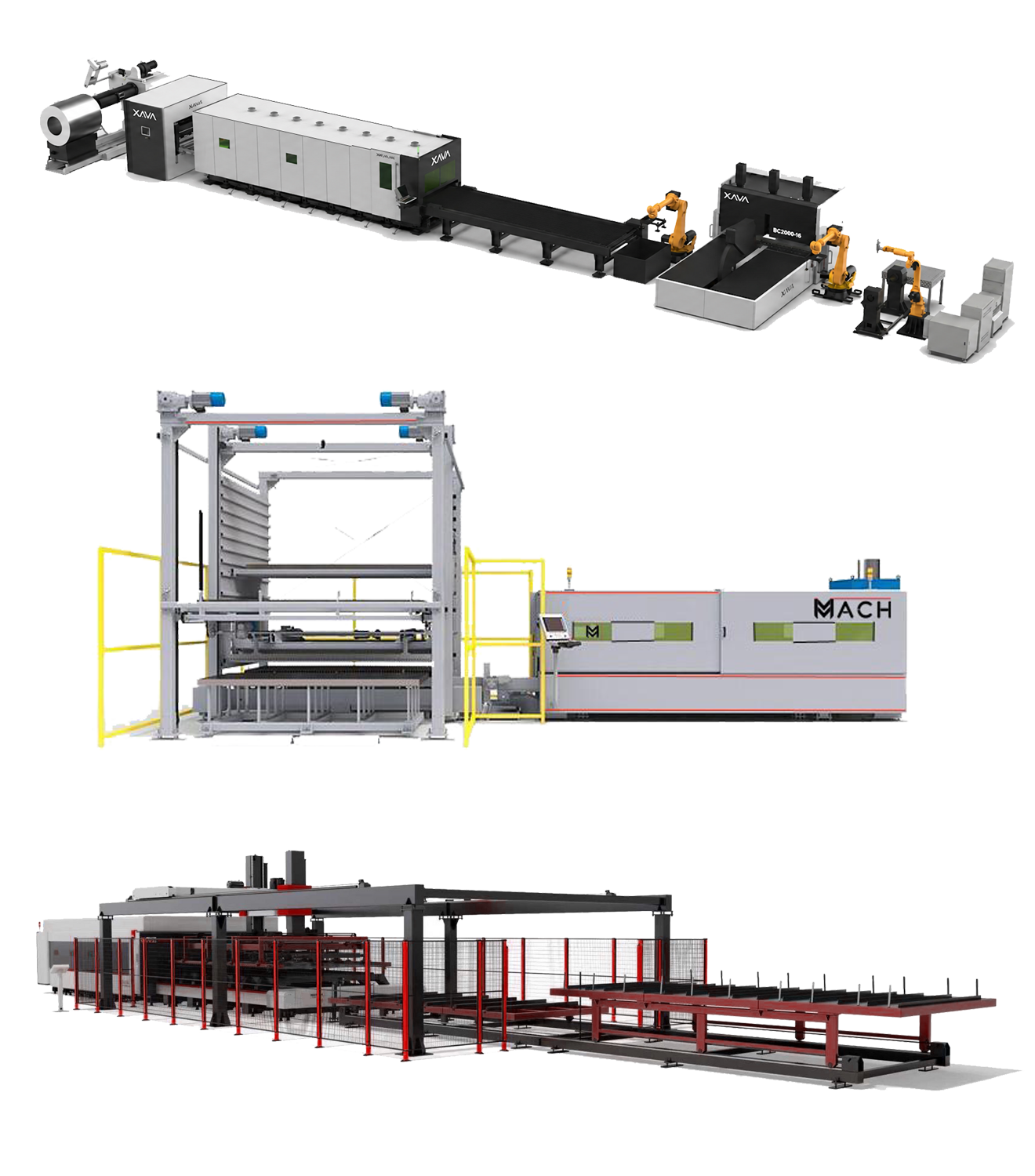
SHEET AUTOMATION
TUBE AUTOMATION

ROBOTIC SYSTEMS

PRODUCTION INTEGRATION
AUTOMATION LEVEL
Technology & Features
ENGINEERED FOR SMARTER PRODUCTION
Advanced manufacturing automation. Built around intelligent material flow, robotic handling and connected production systems. From individual CNC machines to
integrated manufacturing cells, automation technologies work together to improve machine utilisation, reduce manual processes and support more efficient production.
01
SHEET METAL TOWER AUTOMATION
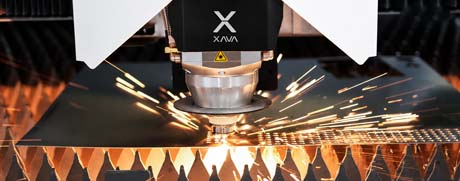
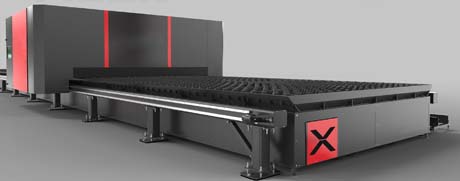
Automated sheet metal storage towers and loading systems provide organised material storage and controlled feeding of CNC fibre laser cutting machines. Available configurations include automated loading, unloading, pallet handling and multi-level sheet storage, reducing manual handling and supporting extended production runs.

02
AUTOMATED TUBE HANDLING
Automatic tube loading and storage systems supply CNC tube laser cutting machines with round, square, rectangular and compatible profiles. Bundle loaders, magazine systems and automated feeding equipment reduce material preparation time, streamline loading and support efficient processing of repeated production batches.

03
INDUSTRIAL ROBOTICS
Industrial robotic systems automate repetitive manufacturing processes including welding, CNC machine tending, component loading, unloading and material transfer. Configurable robotic cells combine precision motion, application-specific tooling and integrated controls to support consistent production.

04
INTEGRATED MATERIAL FLOW
Automated conveyors, transfer systems, storage equipment and robotic handling can connect individual processing stages. Coordinated material movement reduces unnecessary handling between machines and helps establish efficient manufacturing workflows.

05
SMART FACTORY CONNECTIVITY
Compatible CNC controls, PLC systems and manufacturing software enable machine monitoring, production data collection and integration with selected MES and ERP platforms. Connected systems support improved scheduling, production visibility and more informed manufacturing decisions.

06
SCALABLE AUTOMATION SYSTEMS
Modular automation solutions can be designed around individual machines, dedicated production cells or larger connected manufacturing environments. System layouts, control architecture, safety equipment and material handling are matched to each application and future expansion requirements.

AUTOMATION QUESTIONS? WE’VE GOT ANSWERS
CNC AUTOMATION & SMART FACTORY FAQ & KNOWLEDGE CENTRE
Choosing the right manufacturing automation system machine depends on your machinery, material handling requirements,production volume, factory layout and level of integration. MACH supplies and supports CNC automation solutions across the UK & Ireland, including laser cutting automation, sheet storage towers, automated tube loading,
industrial robotics and connected manufacturing systems.
Download Our Brochure
Typical applications include automatic material loading and unloading, storage, part handling, machine tending and production monitoring.
The level of automation can range from a standalone loader to a fully integrated
production cell. .
levels of sheet material.
When connected to a compatible CNC fibre laser, the system can automatically retrieve
and present material for loading.
Depending on the configuration, the system may also manage unloading pallets, processed sheets and material storage.
These arrangements reduce operator intervention between cutting cycles and can support extended or unattended production when specifically designed and validated for that operating mode.
Multi-level storage can also improve factory floor space utilisation compared with
conventional floor-level pallet storage.
The benefits depend on material mix, production scheduling and the selected system configuration.
These systems feed compatible tubes and profiles into the laser, reducing manual loading and improving efficiency during repeat production.
The correct robotic system depends on the component geometry, production volume,
process requirements and available workspace.
Compatibility depends on the machine controls,communication interfaces, safety systems, operating sequences and physical access.
A technical assessment is required to establish whether integration is practical.
These systems can automate repetitive welding operations, improving consistency and
reducing manual handling.
Robotic welding cells may also incorporate positioning equipment, workpiece fixtures,
extraction systems and automated safety controls.
Depending on the system, this can include real-time machine monitoring, automated material movement, production scheduling and integration with business management
software.
activities on the factory floor.
Enterprise Resource Planning (ERP) systems manage wider business processes such as
purchasing, inventory, orders and financial information.
Connecting compatible systems can improve the flow of production information
between manufacturing and business operations.
The financial benefit depends on production volume, staffing, component mix, available machine capacity and the total cost of the automation investment.
Businesses can begin with automatic loading, unloading or material storage around an
individual machine and introduce additional handling or software integration as
requirements develop.
Future expansion should be considered when selecting the initial equipment and
control architecture.
Consider loading and unloading capacity, storage requirements, machinery
compatibility, factory layout, safety and the intended level of operator involvement.
MACH can review your production requirements and machinery configuration to help identify suitable automation solutions.
Depending on the project, integration may involve machinery manufacturers,
automation specialists and site contractors to establish the required controls, material handling and safety arrangements.
Support arrangements depend on the equipment, integration scope and manufacturer requirements, with specialist assistance coordinated where necessary.