
MACH | LASER WELDING SYSTEMS
BUILT FOR PRECISION.
MADE FOR PERFORMANCE.
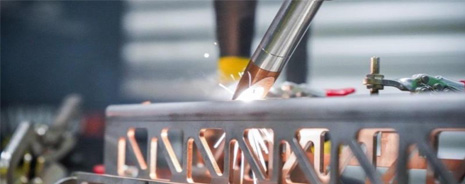
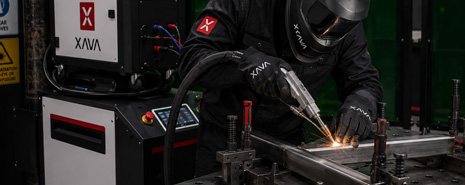
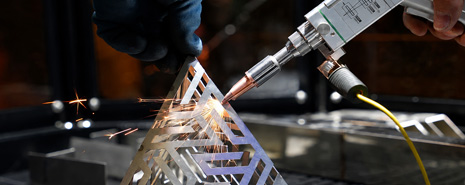
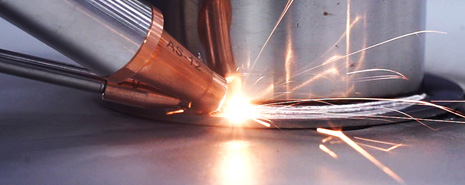
MACH laser welding systems deliver fast, clean and consistent welds across a wide range of metals and applications. Engineered for precision, productivity and reliable day-to-day production.
FASTER WELDING
Increase productivity with faster weld speeds
SMART CONTROL
Simple parameter control for consistent results
PRECISION WELDING
Clean, accurate welds with excellent finish
LOW HEAT INPUT
Reduce distortion and heat-affected zones
CONSISTENT QUALITY
Repeatable weld performance across every job
VERSATILE PROCESS
Weld steel, stainless and aluminium
LASER POWER
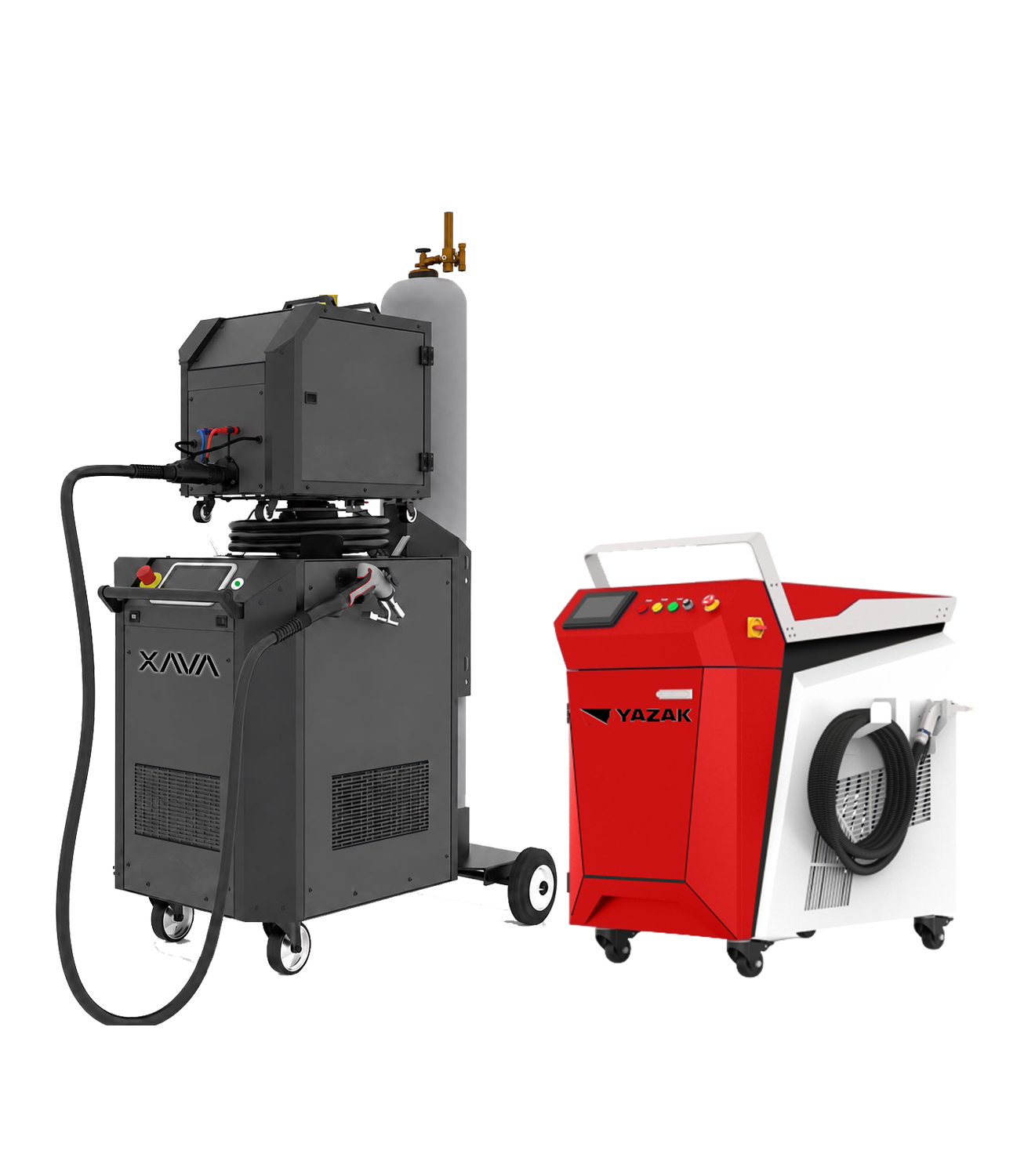
1.5kw-6kw
WELDING PROCESS
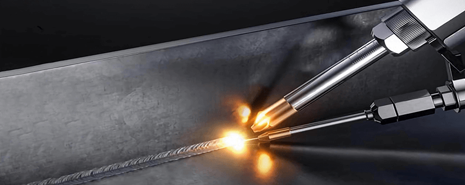
Laser / Laser + Wire
MATERIALS
Mild Steel / Stainless / Aluminium
COOLING
Air / Water Cooled
PROCESS IMPROVEMENT
Up to 6× Faster
Technology & Features
PRECISION IN EVERY WELD
Advanced laser technology. Engineered for performance. Purpose-built features for faster, cleaner welding, consistent results and dependable day-to-day production.
01
LASER TECHNOLOGY
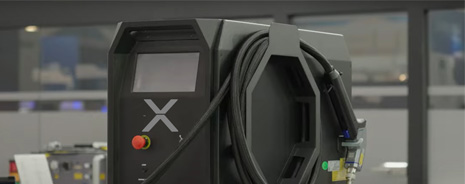
High-performance fibre laser technology delivers fast, precise welding with excellent penetration, consistent weld quality and reduced heat distortion.

02
INTELLIGENT CONTROL
Smart parameter control makes setup simple, helping operators achieve consistent results across different materials, thicknesses and welding applications.

03
LASER SAFETY
Integrated safety features help protect operators and equipment, supporting safe, controlled laser welding in demanding production environments.

04
VERSATILITY
Weld stainless steel, mild steel, aluminium and other metals across a wide range of fabrication applications with one flexible laser welding system

05
REDUCED FINISHING
Clean, controlled welds with minimal spatter and a smaller heat-affected area reduce grinding, polishing and post-weld finishing time.

06
PRODUCTIVITY
Fast welding speeds and straightforward operation help shorten production times, reduce operator workload and increase overall workshop output.

LASER WELDING QUESTIONS? WE’VE GOT ANSWERS
Laser Welding Frequently Asked Questions
Get clear answers to the most common questions about laser welding machines, including materials, power options, welding capabilities, operation, safety and choosing the right system for your application. Can’t find what you’re looking for? Contact the MACH team – we’re here to help.
Download Our Brochure
A handheld laser welder uses a concentrated fibre laser beam to join metal quickly and accurately. Unlike traditional MIG or TIG welding, the heat is focused into a much smaller area, which means faster welding, less distortion and generally much less finishing work afterwards.
For many fabrication jobs, yes. Laser welding can be considerably faster than conventional welding, particularly on repetitive seams and thin to medium-gauge material. The actual improvement depends on the material, thickness, joint design and operator, but productivity is one of the main reasons fabricators move to laser welding.
Typical applications include stainless steel, mild steel, galvanised steel and aluminium. Certain other metals can also be welded, although the correct machine settings, wire and welding process will depend on the material and application.
This depends on the laser power, material and joint configuration. Higher-powered machines provide greater penetration and are better suited to heavier material. Rather than selecting a machine purely by its kW rating, we recommend looking at the actual range of materials and thicknesses you weld every day.
The main difference is available laser power and welding capability. A 1500W machine can be an excellent choice for lighter fabrication, while 2000W and 3000W systems provide increased penetration and greater capacity for thicker material. More power is not automatically better… the machine should be matched to the work you intend to produce.
Yes. Aluminium is one of the materials commonly processed using fibre laser welding. As with any welding process, material grade, thickness, joint preparation and the correct parameters all have an effect on the finished weld.
Previous welding experience is certainly useful, but one of the attractions of handheld laser welding is that operators can often become productive relatively quickly with proper training. It should not, however, be treated as a machine that somebody simply picks up and starts using. Correct training, process knowledge and laser safety are essential
Not always. Some joints can be welded without filler material, while other applications benefit from or require filler wire. Machines can be equipped with automatic wire feeding systems where required.
Generally, yes. Because the laser introduces heat into a relatively concentrated area, the heat-affected zone can be significantly smaller than with many conventional welding processes. This can reduce distortion, which is particularly valuable on stainless steel, thin sheet and finished components.
Often considerably less. A correctly set-up laser welding process can produce a narrow, clean weld with much less spatter and heat marking. Depending on the finish required, this can substantially reduce grinding, dressing and polishing time. It does not mean that every component will come straight off the machine with zero finishing – that depends on the application and required standard.
Shielding gas is normally required, with argon or nitrogen commonly used depending on the material and welding application. Gas selection is important because it can affect weld quality, appearance and overall process performance.
It can be operated safely when the correct laser safety measures are in place. A handheld fibre laser is a high-powered Class 4 laser system, so appropriate guarding or controlled welding areas, PPE, training, risk assessment and safety procedures are essential. MACH will discuss the safety requirements as part of specifying the complete installation rather than treating safety as an optional extra.
Start with the work rather than the machine. We look at your materials, thickness range, component sizes, joint types, production volumes and current welding process before recommending a system. In many cases, reviewing sample components or carrying out welding trials is the best way to establish the correct machine and power level.
Yes. Where practical, we encourage customers to provide drawings, material information or sample components so the application can be assessed properly. This gives you a much clearer understanding of achievable weld quality, speed and finishing requirements before investing in a machine.