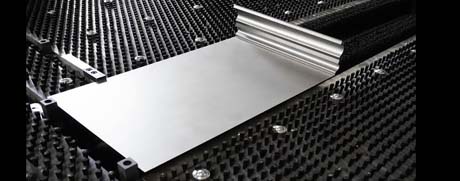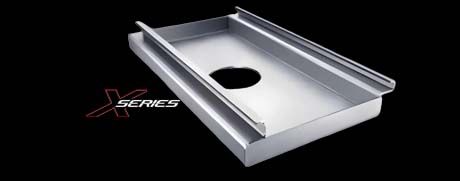

MACH | CNC PANEL BENDING MACHINES

BEND SMARTER.

PRODUCE FASTER

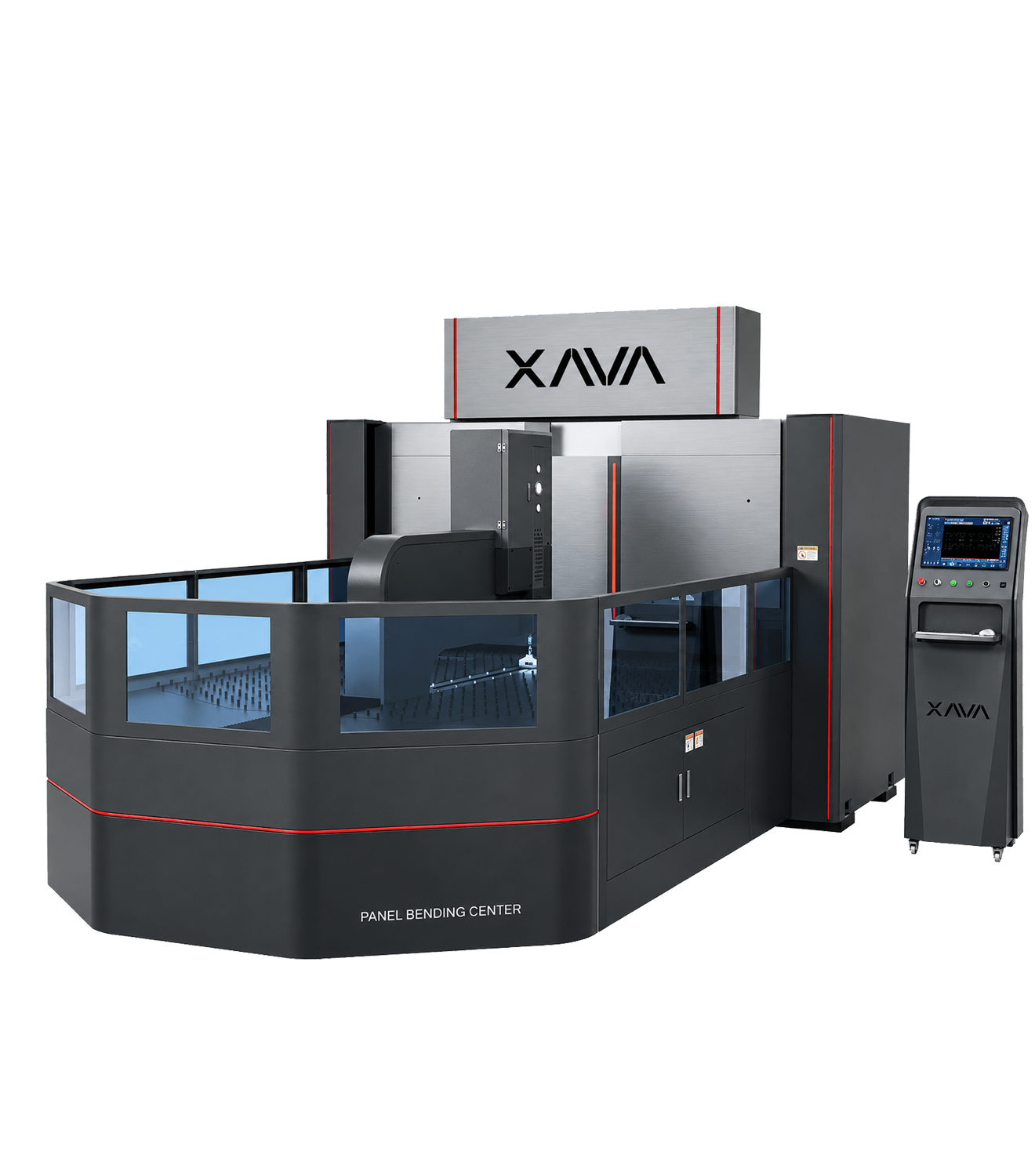
MACH CNC Panel Bending machines combine automated sheet handling, intelligent CNC control and flexible bending technology to produce complex sheet metal components quickly, accurately and consistently.

Designed for everything from high-mix, low-volume manufacturing to repetitive production, panel benders automatically position, rotate and manipulate the sheet throughout the bending cycle reducing manual handling, setup time and operator intervention.

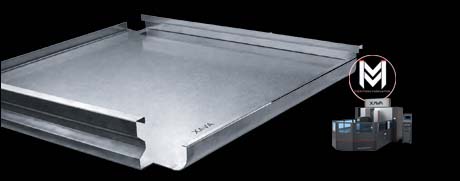
From cabinets, enclosures and doors to HVAC components, trays, shelving and architectural panels, MACH provides CNC panel bending solutions configured around your parts, materials and production requirements.

Technology & Features

INTELLIGENT PRODUCTION

Advanced CNC panel bending technology designed to position, manipulate and form sheet metal automatically. Intelligent control, flexible tooling and automated part handling deliver faster cycle times, repeatable accuracy and efficient production across both high-mix batches and repetitive manufacturing
01

AUTOMATIC PANEL BENDING

Automate complex sheet metal bending with CNC-controlled positioning, clamping and folding. Produce accurate multi-bend components with significantly less manual handling and operator intervention.

02

HIGH-SPEED PRODUCTION

Achieve fast, repeatable bending cycles across panels, boxes, trays and enclosures. Automated sheet positioning reduces handling between bends and increases productivity for batch and repeat production.

03

MULTI-SIDE BENDING

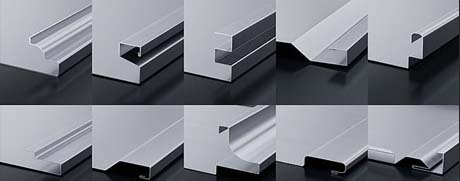
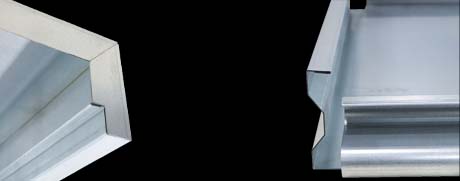
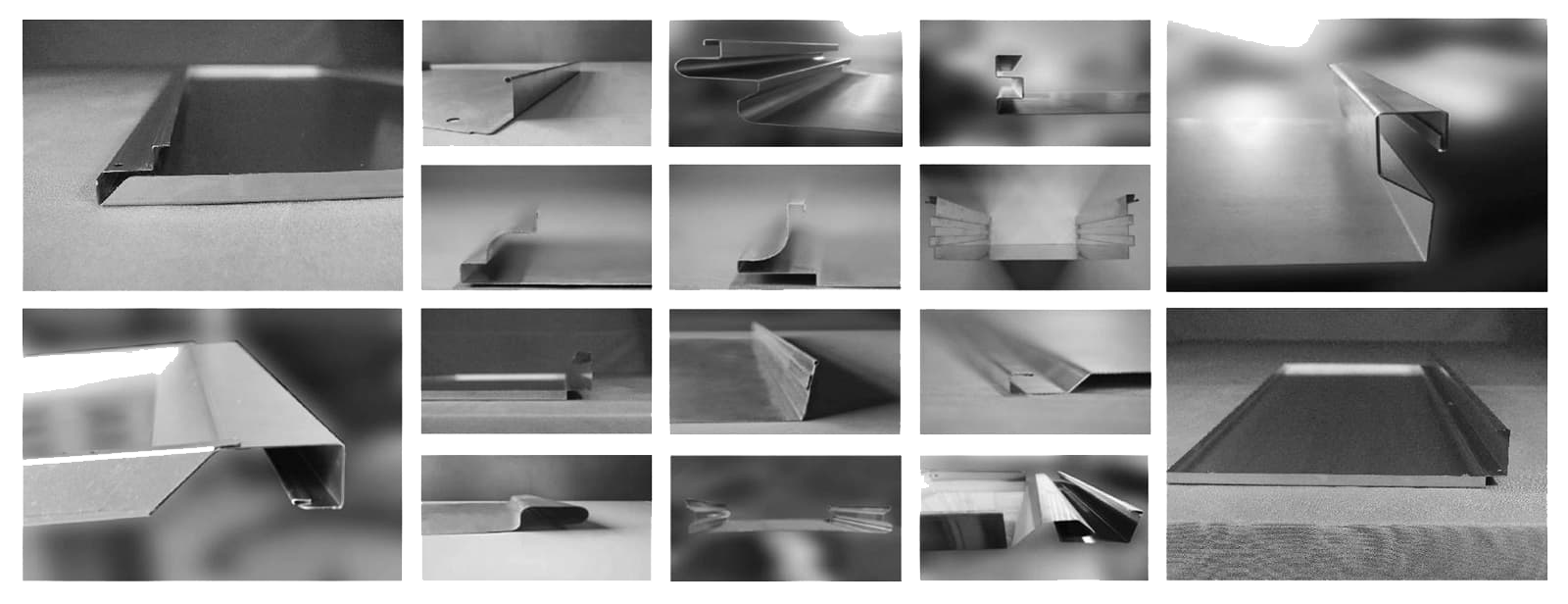
Complete multiple bends across different sides of the component within a single automated cycle. Produce positive and negative bends, hems, returns and complex profiles with consistent CNC-controlled accuracy.

04

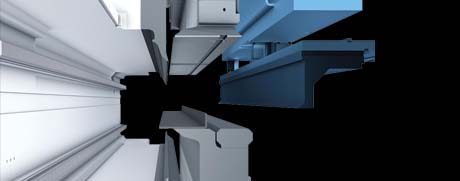
INTELLIGENT TOOLING

Flexible bending tools automatically adapt to different component geometries, reducing conventional tool changes and setup time. Move efficiently between different panel sizes, bend sequences and part designs.

05

AUTOMATED SHEET HANDLING

CNC-controlled manipulation automatically positions, rotates and repositions the sheet throughout the bending cycle. Reduce repetitive manual handling while improving consistency, productivity and operator safety.

06

CNC & CAD/CAM PROGRAMMING

Intelligent CNC panel bending software simplifies programming of complex components and bending sequences. Digital programming, visualisation and automated process control help move parts efficiently from design to production.

‎ ‎ ‎ ‎‎ ‎ ‎ INTELLIGENT BENDING. ‎ ‎ ‎ ‎ MAXIMUM PRODUCTIVITY.

M MACH | Metalwork Machinery

CNC PANEL BENDER QUESTIONS? WE’VE GOT ANSWERS

CNC Panel Bender | Frequently Asked Questions

Get clear answers to the most common questions about CNC panel bending machines, including applications, materials, panel sizes, bending accuracy, tooling, automation, productivity and choosing the right system for your production requirements. Can’t find what you’re looking for? Contact the MACH team | We’re here to help.

A CNC panel bender is an automated sheet metal bending machine designed to produce panels, boxes, trays and formed components with high speed and repeatable accuracy. Unlike conventional press brake bending, the machine automatically positions and manipulates the sheet while controlled bending tools form the required angles.

This reduces manual handling and operator intervention, making panel benders particularly effective for repetitive production and high-mix sheet metal manufacturing.

A CNC panel bender automatically positions, clamps, rotates and bends sheet metal according to a programmed part.

The sheet is referenced and controlled by the machine while the bending blades move to create positive and negative bends. Because much of the part handling is automated, the operator does not normally need to repeatedly lift, turn and reposition the component between bends.

Modern panel bending systems can also automatically adapt tooling and bending parameters to different part geometries, helping reduce setup time between jobs.

Both machines bend sheet metal, but they work very differently.

A CNC press brake typically forms the material between a punch and die, with the operator or automation system repositioning the component for each bend. A CNC panel bender automates much of the positioning and manipulation of the sheet while bending blades form the component.

Panel benders are particularly suited to producing panels, cabinets, enclosures, doors, trays and box-type components quickly and consistently. Press brakes generally offer greater flexibility for heavier material, specialist tooling and a wider variety of fabrication work.

For many manufacturers, the technologies complement each other rather than one replacing the other completely.

The main advantages are higher productivity, reduced manual handling, consistent bending accuracy and shorter setup times.

Automatic positioning and bending can reduce dependence on operator skill for repetitive parts, while flexible tooling allows different components to be produced with less manual retooling.

For manufacturers producing families of similar sheet metal components, this can help increase output while improving consistency from the first component to the last.

CNC panel benders are ideal for manufacturing components such as:

electrical cabinets and enclosures, switchgear panels, doors, shelving, lockers, HVAC components, kitchen equipment, furniture components, lift/elevator panels, appliance parts, architectural panels, trays and general sheet metal enclosures.

They are particularly effective where a component requires multiple bends around several sides and consistent production across repeated parts or product families.

Panel benders use a different tooling concept from conventional press brakes.

Many modern machines use universal or automatically adjustable bending tools that adapt to different component dimensions during the production cycle. This can substantially reduce the number of manual tooling changes required between jobs.

Special tooling or additional bending tools may still be required for certain geometries and applications, so the correct machine configuration should always be based on the parts you intend to manufacture

Yes. One of the major benefits of automated panel bending is the reduction in manual sheet handling and operator intervention.

The machine can control much of the positioning, rotation and bending process automatically. This allows one operator to produce complex multi-bend components with less physical handling than would normally be required during conventional manual bending.

It can be particularly valuable when producing larger panels that would otherwise require considerable operator movement or additional handling assistance.

Modern CNC panel benders are designed to provide highly repeatable bending angles and consistent finished component dimensions.

Accuracy depends on factors including material type, thickness, component geometry and machine technology. Advanced systems can monitor material and bending conditions and automatically compensate for variation during production.

This repeatability is particularly valuable when components move directly into robotic welding, assembly or other downstream manufacturing processes, where dimensional consistency can reduce rework and improve production flow.

Yes. Modern tube and pipe cutting software can take 3D CAD models or common drawing data and convert the required geometry into CNC cutting paths.

Dedicated tube software can also provide automatic nesting, process parameters, cut sequencing and bevel programming, depending on the machine and software package.

Some systems also provide parametric libraries for common pipe connections, allowing frequently used profiles to be programmed without creating every component from scratch in external CAD software.

Start with the parts you need to manufacture rather than simply choosing a machine based on its maximum capacity.

Important factors include maximum panel size, minimum and maximum material thickness, material type, component geometry, flange dimensions, production volume, batch sizes and required level of automation.

At MACH, we review your components, drawings and production requirements before recommending a panel bending solution. This helps determine whether a CNC panel bender, press brake or combination of bending technologies provides the best manufacturing solution for your application.

CNC panel benders can process a range of sheet metals including mild steel, stainless steel and aluminium, with the available thickness depending on the machine capacity, material strength, panel dimensions and required bend geometry.

Panel bending is particularly effective for thin-to-medium gauge sheet metal components where multiple bends need to be produced quickly and consistently.

Rather than selecting a machine based solely on its maximum quoted thickness, it is important to consider your complete range of parts. MACH can review your materials, thicknesses, panel sizes, flange dimensions and drawings to ensure the machine is correctly specified for everyday production.

The maximum component size depends on the particular panel bender, with machines available for everything from relatively compact sheet metal components through to large doors, cabinets, enclosures and industrial panels.

When specifying a machine, both the overall blank dimensions and the finished component geometry need to be considered. Panel width, length, flange height, material thickness and component weight can all influence which machine configuration is suitable.

For larger components, automated manipulation is particularly valuable because the machine controls the sheet throughout the bending sequence, reducing the amount of physical handling required from the operator.

The price of a CNC panel bender depends on its working capacity, level of automation, control technology and machine configuration.

Important factors include maximum panel dimensions, material thickness, bending capacity, tooling system, automatic loading and unloading, software and integration with other production equipment.

A machine intended for smaller sheet metal components and flexible batch production will therefore have a different investment level from a highly automated panel bending system designed for continuous production.