MACH | CNC PUNCH-LASER COMBINATION MACHINES

PUNCH . CUT . FORM . PRODUCE

MACH CNC punch-laser combination machines integrate high-speed turret punching and precision fibre laser cutting in one advanced sheet metal processing system. Combining multiple manufacturing operations with intelligent CNC control, these machines deliver flexible processing, consistent component quality and efficient production for sheet metal manufacturers across the UK & Ireland.

Laser power, punching capacity, sheet sizes and forming capabilities depend on the selected machine model and tooling configuration.

Technology & Features

ENGINEERED FOR COMPLETE PART PROCESSING

Advanced punch-laser combination technology. Built around manufacturing flexibility, precision and production efficiency. High-speed turret punching, intelligent fibre laser cutting and integrated CNC control work together to process complex sheet metal components with fewer handling operations and greater production versatility

01

FIBRE LASER CUTTING TECHNOLOGY

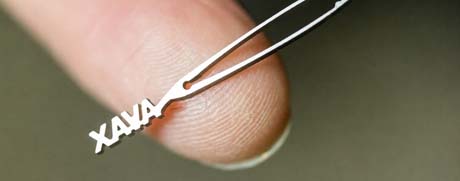
High-performance fibre laser systems provide accurate cutting of complex internal features and external component contours. CNC-controlled cutting heads and optimised processing parameters support consistent edge quality across compatible sheet metal materials and thicknesses.

02

CNC TURRET PUNCHING

High-speed turret punching systems process holes, slots, perforations and repeated geometries using interchangeable punches and dies. Available auto-index tooling and multi-tool configurations expand processing flexibility while reducing tooling changeovers.

03

INTEGRATED FORMING OPERATIONS

Specialised punching and forming tools enable selected three-dimensional features including louvres, embossments, countersinks and formed tabs. Suitable configurations can also support tapping and other secondary operations, reducing the need for separate processing equipment.

04

INTELLIGENT CNC PROGRAMMING

Integrated CNC controls and compatible CAD/CAM software coordinate punching, laser cutting and forming operations within a single production program. Optimised tool selection, nesting and machining sequences help improve material utilisation and manufacturing efficiency.

05

PRECISION SHEET POSITIONING

CNC-controlled sheet clamps, precision positioning systems and suitable worktable arrangements maintain material alignment throughout processing. Coordinated movement supports accurate positioning of punched features and laser-cut contours on the same component.

06

AUTOMATED PRODUCTION SYSTEMS

Optional sheet loading, unloading, part sorting and storage systems extend manufacturing capability. Compatible automation can reduce operator intervention, improve material flow and support efficient production of complex components and repeated batches.

‎ ‎ ‎ ‎‎ ‎ ‎MORE PROCESSES. ‎ LESS HANDLING. COMPLETE PART PRODUCTION.

M MACH | Metalwork Machinery

PUNCH-LASER QUESTIONS? WE’VE GOT ANSWERS

CNC PUNCH-LASER COMBINATION FAQ & KNOWLEDGE CENTRE

Choosing the right CNC punch-laser combination machine depends on your materials, sheet dimensions, punching requirements, laser cutting applications, forming operations and production volume.

MACH supplies, installs and supports integrated CNC punching and fibre laser cutting machinery across the UK & Ireland, helping manufacturers combine multiple sheet metal processes within efficient, flexible production systems

A CNC punch-laser combination machine integrates a CNC punching system and a fibre laser cutting system into one sheet metal processing machine.

It combines the speed and versatility of punching with the flexibility of laser cutting, allowing manufacturers to produce components with punched holes, complex contours and selected formed features.

Sheet metal is positioned and controlled by a CNC material handling system.

The punching station processes holes, slots and suitable formed features using dedicated tooling, while the fibre laser cuts complex contours and component profiles.

Integrated CNC software coordinates the processing sequence so multiple operations can be completed within one machine setup.

Combining the two processes allows manufacturers to use the most suitable technology for each feature.

Punching is particularly efficient for repeated holes, perforations and formed features, while laser cutting offers flexibility for complex shapes and changing component geometries.

Integrating both operations reduces handling between separate machines and can improve overall production efficiency.

A standalone fibre laser uses laser cutting technology to produce holes, contours and profiles without conventional punching tools.

A punch-laser combination machine incorporates a punching system alongside the laser, allowing it to produce selected formed features, embossments and tapped holes where suitable tooling is available.

The best solution depends on the component geometry and required manufacturing operations.

A conventional CNC turret punch uses mechanical punching tools to create holes, slots and formed features.

A punch-laser combination machine adds fibre laser cutting capability, allowing complex contours and profiles to be processed without requiring dedicated punching tools for every geometry.

This provides greater flexibility when manufacturing components with varied shapes and features

Suitable machines can process mild steel, stainless steel, aluminium and other compatible sheet metals.

The available thickness range depends on the laser power, punching force, tooling, material grade and machine configuration.

Punching and laser cutting capacities should be evaluated separately for each material.

Yes. Suitable punching and forming tools can produce louvres, embossments, countersinks, strengthening features and other selected three-dimensional geometries.

These operations are useful in manufacturing electrical enclosures, ventilation components, cabinets and fabricated sheet metal assemblies.

The available forming height and component geometry depend on the machine and tooling

Certain punch-laser combination machines can perform tapping operations using specialised tooling.

This allows suitable threaded features to be produced during the sheet metal processing cycle, potentially reducing secondary machining.

Available thread sizes and material thicknesses depend on the selected machine and tooling configuration

Punching can be particularly efficient for large numbers of repeated holes, perforations and standard geometries when suitable tooling is available.

Fibre laser cutting offers greater flexibility for complex shapes and contours that may otherwise require additional punching tools or nibbling operations.

A combination machine allows the production program to use each technology where it offers the greatest advantage.

Suitable combination machines can complete punching, laser cutting and selected forming operations without transferring the sheet to another processing machine.

However, operations such as bending, welding, assembly or additional finishing may still be required, depending on the component.

Yes. Compatible machines can be integrated with automatic sheet loading and unloading, storage towers, part sorting and selected robotic handling systems.

Automation helps reduce manual handling and can support longer production runs, depending on the machine configuration and safety requirements.

Punch-laser machines typically use compatible CAD/CAM software to prepare punching, forming and laser cutting operations.

Depending on the system, software may provide nesting, tool selection, machining sequence optimisation, collision checking and production program management.
The available functions depend on the controller and software package.

Combination machines are used in sheet metal fabrication, electrical enclosure manufacturing, HVAC production, industrial equipment, architectural metalwork and general engineering.

They are particularly useful for components requiring a mixture of holes, detailed contours and formed features.

Start with your material grades, maximum sheet dimensions, material thickness and component geometry.

Consider punching force, turret capacity, laser power, forming requirements, tool availability, software compatibility and production volume.

MACH can review component drawings and manufacturing requirements to help identify a suitable machine configuration.

MACH provides machinery installation, commissioning and operator training across the UK & Ireland.

Our team supports customers with machine setup, operating procedures, software familiarisation and suitable production workflows.

MACH provides technical support, maintenance assistance and spare parts support for the machinery we supply.

Our focus is on maintaining reliable production, reducing unnecessary downtime and supporting long-term machine performance.