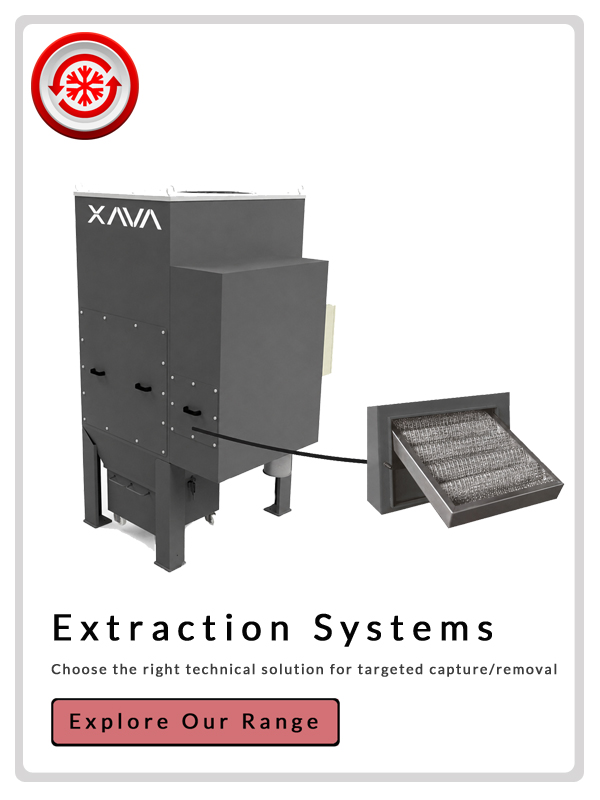
MACH | EXTRACTION SYSTEMS

CLEANER AIR. SMARTER FILTRATION .  SAFER PRODUCTION 

MACH industrial fume and dust extraction systems deliver effective filtration and airborne contaminant control for CNC laser cutting, plasma cutting and welding applications. From standalone filtration units to bespoke extraction installations, our solutions are configured for reliable performance, efficient operation and demanding manufacturing environments across the UK & Ireland.
New and Used CNC Metal Fabrication Extraction systems

Technology & Features

ENGINEERED FOR EFFECTIVE EXTRACTION

Advanced industrial extraction technology. Built around effective fume capture, intelligent filtration and reliable airflow management. From CNC cutting tables to
bespoke welding installations, correctly matched extraction systems help control airborne contaminants and support consistent production performance.
01

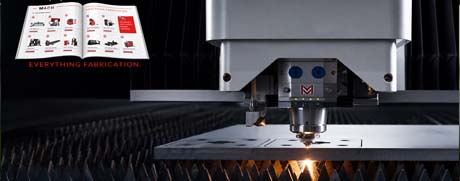
LASER CUTTING EXTRACTION

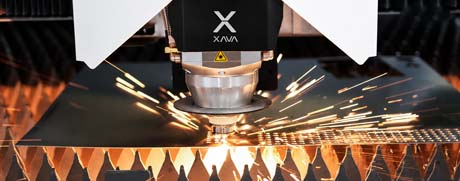
High-efficiency filtration systems capture fine particulate and fumes generated during CNC fibre laser cutting. Extraction equipment can be integrated with machine enclosures and zoned cutting tables to provide effective fume removal throughout the
cutting process.

02

PLASMA CUTTING EXTRACTION

Powerful extraction systems manage the high volumes of smoke and fine particulate generated during CNC plasma cutting. Correctly designed downdraft extraction, zoned airflow and suitable filtration equipment support effective fume capture across different cutting table sizes.

03

BESPOKE WELDING EXTRACTION

Custom welding extraction arrangements incorporate suitable capture arms, extraction benches, booths, enclosures and centralised ducting. Systems can be configured for manual welding stations, multiple fabrication bays and robotic welding installations.

04

ADVANCED FILTER TECHNOLOGY

High-efficiency cartridge filtration and optional automatic pulse-jet cleaning help capture fine particulate while managing filter loading. Differential pressure monitoring supports maintenance planning and consistent extraction performance.

05

AIRFLOW & DUCTING DESIGN

Correctly sized fans, ductwork and extraction connections deliver the required airflow at the point of capture. System design considers duct resistance, machine dimensions, extraction zones and the operating requirements of each process.

06

INTEGRATED SYSTEM CONTROL

Available features include automated extraction activation, variable-speed fans, filter monitoring and machine-linked controls. Suitable spark mitigation and fire protection measures can be incorporated following application-specific risk assessment.

‎ ‎ ‎ ‎‎ ‎ ‎ BETTER EXTRACTION. ‎ ‎CLEANER PRODUCTION. CONTROL AT EVERY STAGE.

M MACH | Metalwork Machinery

EXTRACTION QUESTIONS? WE’VE GOT ANSWERS

INDUSTRIAL EXTRACTION SYSTEMS FAQ & KNOWLEDGE CENTRE

Choosing the right CNC fibre laser cutting machine depends on the materials you process, sheet thickness, production volume, laser power and level of automation required. MACH supplies, installs and supports CNC fibre laser cutting systems across the UK & Ireland, from standalone machines to high-power automated production systems

An industrial fume extraction system uses controlled airflow to capture airborne fumes,
smoke and fine particulate generated during manufacturing processes.
A typical system incorporates an extraction hood or machine connection, ductwork, a
fan and suitable filtration equipment.
Industrial extraction systems are commonly used for laser cutting, plasma cutting,
welding and other metal fabrication applications.

CNC fibre laser cutting generates fine metal particulate and fumes as material is melted and removed during the cutting process.
An effective extraction system helps capture these contaminants within the machine enclosure or cutting zone, reducing their release into the surrounding workplace.
It can also help limit dust accumulation around machinery components.

Required airflow depends on the cutting table dimensions, extraction zone arrangement, material type, cutting process and machine manufacturer’s requirements. Airflow is normally expressed in cubic metres per hour (m³/h).
The extraction unit must provide sufficient airflow at the required operating pressure, accounting for ductwork, filters and system resistance.

CNC plasma cutting produces significant amounts of smoke and fine particulate, particularly during high-current cutting and continuous production.
Dry plasma cutting tables commonly use downdraft extraction systems with
appropriately sized filtration units.
Larger tables may use zoned extraction to concentrate airflow around the active cutting
area.

Both applications require effective capture of thermally generated metal fumes and fine
particulate.
However, plasma and laser cutting can generate different particulate loads, heat levels
and airflow requirements.
The correct extraction system must be selected according to the cutting process,
material type, table configuration and expected production duty.

A cartridge dust extraction system uses replaceable filter cartridges to separate airborne particulate from the extracted airflow.
Industrial cartridge filters can be equipped with automatic pulse-jet cleaning, which uses compressed air to dislodge accumulated dust from the filter surface.
Filter selection depends on the particulate characteristics, required filtration efficiency
and application.

Pulse-jet cleaning uses short bursts of compressed air to remove accumulated dust from filter cartridges.
This helps control filter resistance and maintain extraction airflow during operation.
Cleaning frequency and effectiveness depend on the collector design, filter media and
characteristics of the collected dust.

Yes. Welding extraction systems can be configured for individual workstations, welding benches, enclosed booths or larger production areas.
Bespoke arrangements may incorporate multiple extraction arms, ducted capture
hoods, on-torch extraction or centralised filtration systems.
The most suitable design depends on the welding process, workpiece size, operator
movements and required level of fume control.

Robotic welding cells can use dedicated extraction hoods, enclosures, booths or integrated ventilation systems designed around the welding process and robot working
envelope.
The extraction arrangement must account for welding positions, fume generation, access requirements and production cycle times.

Yes. A centralised extraction system can serve multiple cutting machines or welding
stations when correctly designed.
Total airflow, simultaneous machine operation, duct resistance and individual capture requirements must be considered.
Automatic dampers, suitable fan controls and airflow monitoring may help manage
demand across connected machines.
Airflow measures the volume of air moving through the system, normally expressed in m³/h.
Pressure describes the resistance the fan must overcome to move that airflow through machine connections, ductwork, filters and other components.
Both are essential when selecting an extraction system. A high advertised airflow figure alone does not guarantee effective performance after installation.

Yes, but the extraction equipment must be suitable for the particular metal and process.
Stainless steel fumes can contain hazardous substances, while fine aluminium particulate may present additional combustible dust risks.
Appropriate filtration, dust handling, fire protection and discharge arrangements must
be established through a suitable risk assessment.

Extraction design must consider worker exposure, fire and ignition risks, hazardous dust characteristics, machine operation and safe maintenance.
Depending on the application, suitable controls may include spark separation, fire
detection or suppression, explosion protection, airflow monitoring and appropriate
filtration.
Effective extraction should be verified during commissioning and maintained throughout operation.

Start with your manufacturing process, material grades, machine dimensions,
production duty and the contaminants generated.
Consider the required airflow, available static pressure, filtration performance, duct
layout, extraction zones and safe dust disposal.
MACH can help review machinery specifications and application requirements to identify suitable extraction equipment and system configurations.
MACH supports the selection and integration of industrial extraction equipment for
machinery installations across the UK & Ireland.
Our team can assist with coordinating extraction requirements, equipment selection, commissioning and ongoing technical support, with specialist system design and validation arranged where required.